When I had my first child, I was so intentional with the Canada Child Benefit. I knew exactly what it was for and where every dollar of it went each month. I had a plan.
That didn't last long.
Somewhere between my second kid and the tenth thing on my to-do list, I stopped noticing when the deposit increased. The extra money got absorbed into groceries, gas, or eating out that month. I would see that it had landed in the account, but I had quietly stopped deciding what to do with it. It was just there, and then it was gone.
Nelson and I (Victoria) talk about this often, because it is such an easy pattern to fall into. And it is happening again for Canadian families this month.
What's actually changing with the July 2026 CCB increase
On July 20th, the Canada Child Benefit resets for the new 2026-27 benefit year. The Canada Revenue Agency applies its annual indexation adjustment, and this year that means a 2% increase.1 Here is what that looks like in real numbers.
|
$8,157 New annual max per child under 6, up from $7,997 |
$6,883 New annual max per child aged 6 to 17, up from $6,748 |
2% CRA indexation increase for the 2026-27 benefit yearSource: canada.ca |
For most families, that works out to roughly $11 to $14 more per child, per month. Not life-changing on its own. But it is enough to slip past unnoticed, which is exactly the problem.
The real lesson isn't about the money itself
We spend a lot of energy trying to make sure our kids are intentional with money. Think before you spend. Save with a purpose. Make a plan. And then $13 shows up in the account and we don't do any of that ourselves.
That isn't because we're bad with money. It's because that money arrives without any effort attached to it in the moment. No friction earning it, so no friction spending it either. When money shows up without a decision behind it, it tends to disappear the same way, which is exactly the pattern we unpacked in why saving money isn't actually the lesson your kid needs.
The Takeaway
Intentionality with money isn't something we figure out once and hand down to our kids. It's something we're all still practicing, deposit by deposit.
Turning this month's deposit into a teaching moment
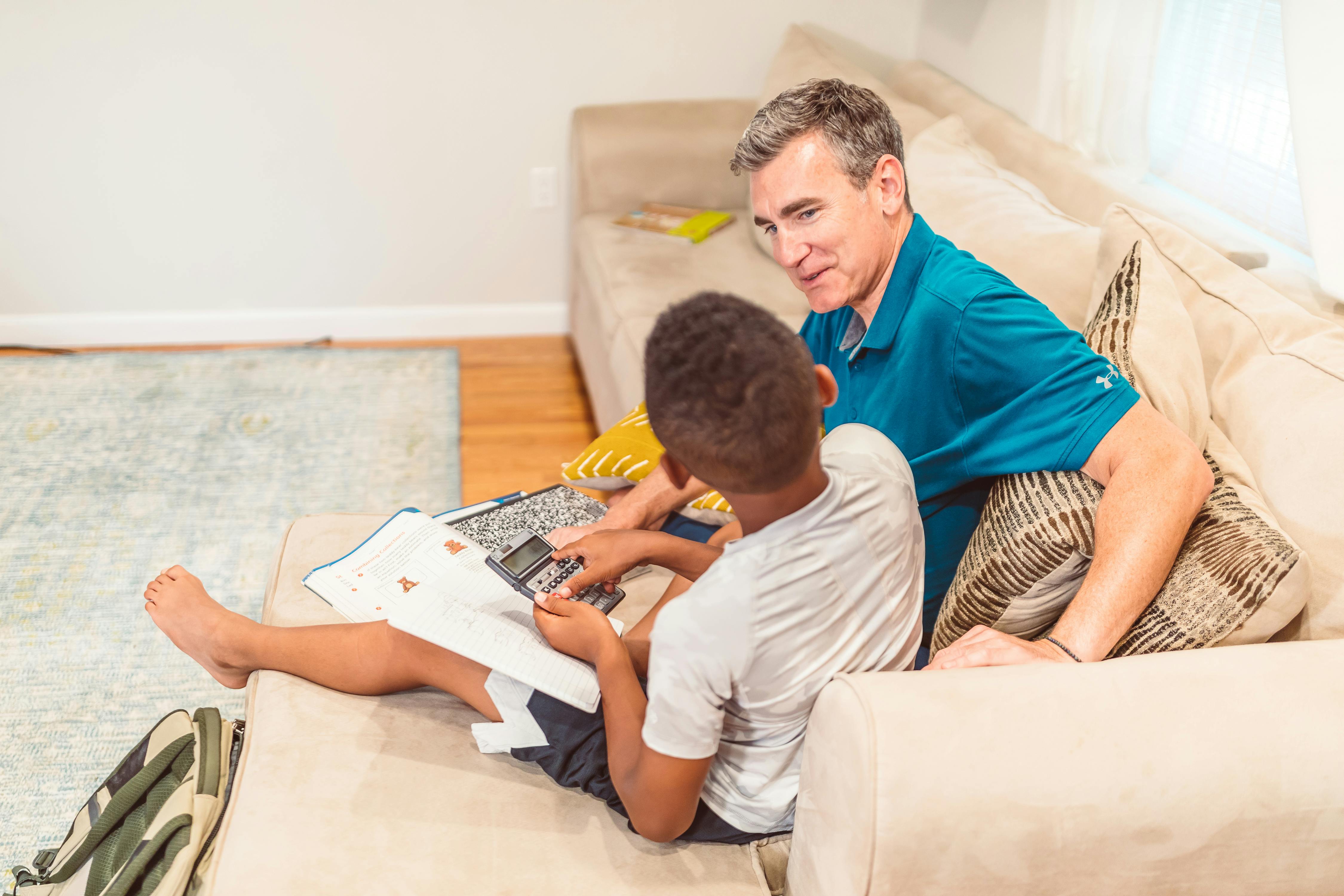
Here's what we're doing differently in our own house this July. When the deposit hits, we're telling our kids about it. Not the mechanics of where it came from or why. Just a short, honest conversation about the extra bit of money this month.
Something like this: "We got a bit of extra money this month. Normally it would just get spent on something without us even noticing. I don't want to do that this time. I actually want to decide what to do with this money. What do you think we should do with it, and why?"
The "and why" is the part that matters most. You aren't looking for a right answer or a textbook answer. You're watching them pause, weigh it, and think it through out loud. If they're confident, lean into that. If they're torn between two ideas, lean into that too. Encourage them to consider other options, then land on a decision together.
Then close it with something like this.
"Thank you for helping me. We just chose what to do with our money, instead of letting our money choose for us. Most people never do that. That's a skill that will put you far ahead of a lot of adults."
Has your kid ever asked where money actually comes from
If they haven't yet, they will. And moments like a bigger deposit landing in July are a low-pressure, real-world way to start that conversation before it comes up as a bigger question you feel unprepared for.
Turning this into an ongoing habit
One conversation is a good start. Building the habit is where it actually sticks, which lines up with several of the things financial advisors wish parents taught their kids. Depending on where your family is at, here's where we'd point you.
Busy families short on time: Our Financial Literacy Flash Cards are built for five-minute sessions, no prep required on your end.
Home educators looking for structure: Pair the Flash Cards with our Financial Literacy Workbook for a repeatable, curriculum-style approach to money concepts.
Kids who learn best through play: Our Mega Money Match-Up memory game turns financial literacy concepts into something they'll actually ask to play again.
The bigger skill we're actually building
Money that shows up without effort attached to it is everywhere in a kid's life, not just government benefits. Allowance. Birthday cash from grandparents. A found five dollar bill. The habit we're really building isn't about the CCB specifically. It's the pause between money landing and money disappearing, the same skill at the heart of how to teach kids about budgeting. That pause is where every good financial decision actually happens, for kids and for us.
That's a skill worth practicing together, one deposit at a time.
Build the habit this month
The Financial Foundations Bundle gives you everything you need to keep these conversations going all year.
Shop the Bundle1. Canada Revenue Agency, "Canada child benefit (CCB), How much you can get," updated 2026. canada.ca
By Future Fortunes Academy · July 2026 · Family Finance, Government Benefits
Share:
How to Teach Kids About Money When School Isn't Enough
Kids Entrepreneurship Ideas Start With a $10 Download This Summer